The Novel Coronavirus Pandemic
2019 The novel coronavirus (2019nCoV), formally known as severe acute respiratory syndrome coronavirus 2 (SARSCoV2) or colloquially known as Wuhan coronavirus, is an infectious virus that causes acute respiratory disease of 2019nCoV.
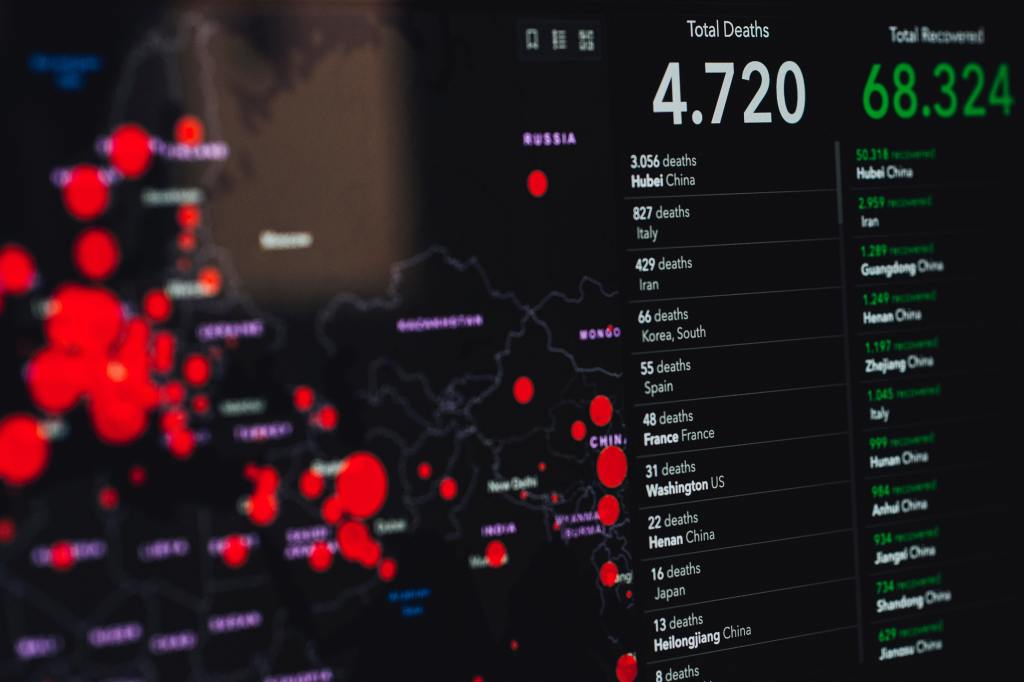
It is the cause of the ongoing outbreak of theWuhan coronavirus in 2019-20, a global health emergency. Genomic sequencing has shown that it is a positive-sense, single-stranded RNA coronavirus.
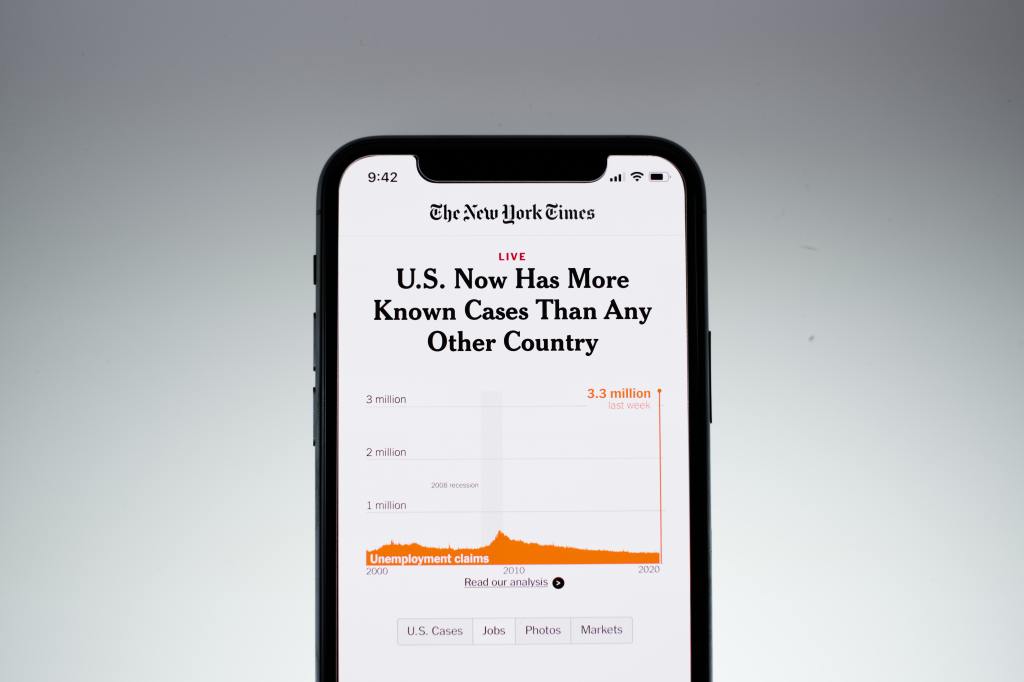
Many early cases were linked to a large seafood and animal market in the Chinese city of Wuhan, and the virus is thought to have a zoonotic origin.
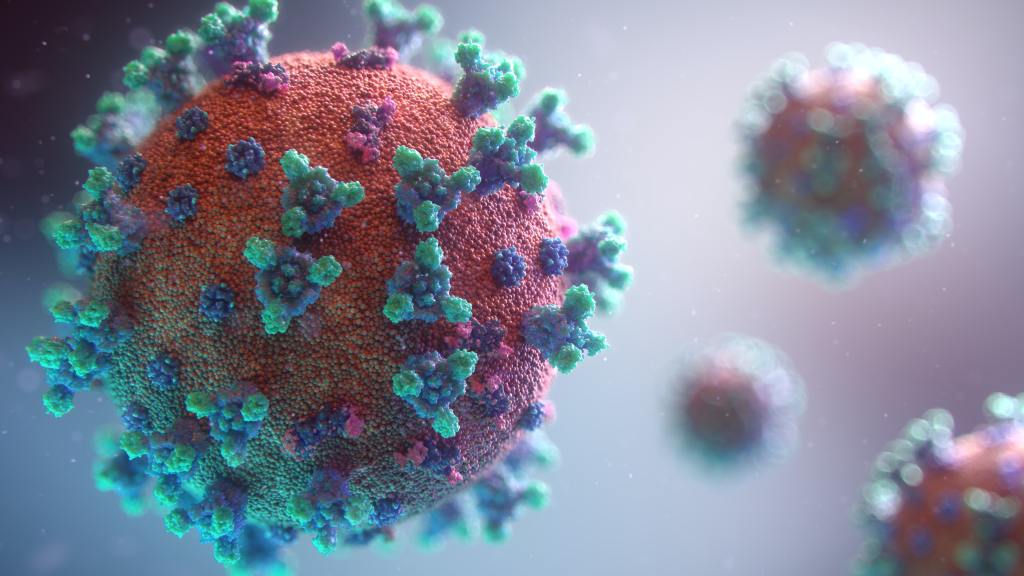
Comparisons of the genetic sequences of this virus and other virus samples have shown similarities to SARS-CoV (79.5%) and bat coronaviruses (96%). This makes an ultimate origin in bats likely, although an intermediate host, such as a pangolin, cannot be ruled out.
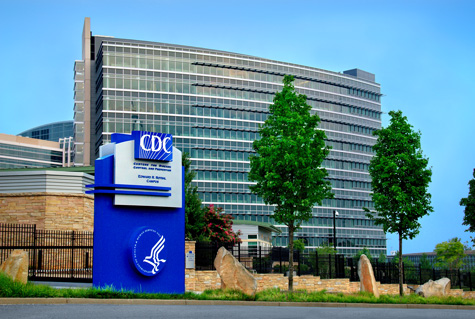
IMAGE CREDIT: CenterForDiseaseControl(CDC)
More About It
Its Impact On Humanity
Governments around the world are scrambling to introduce measures to contain the spread of COVID-19, which is growing globally even as transmission in China where the virus originated at the end of last year continues to show signs of slowing.

There are more than 6 million cases confirmed around the world – the overwhelming majority in the Unites States – but as cases are reported all around the world the pandemic has shut borders, and slowed economy.

How You Can Prevent It
Is There a Preventive Vaccine/Treatment?
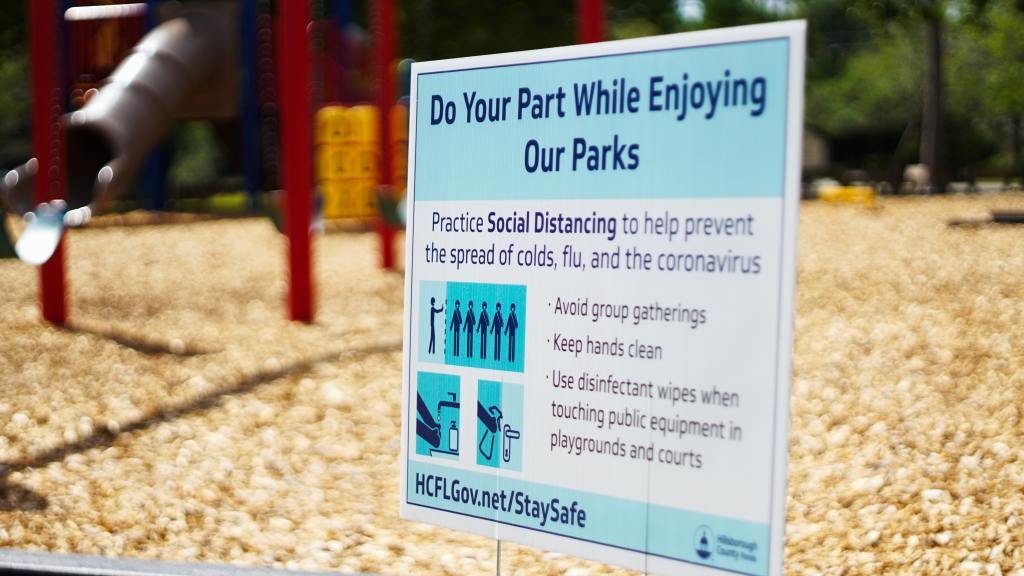
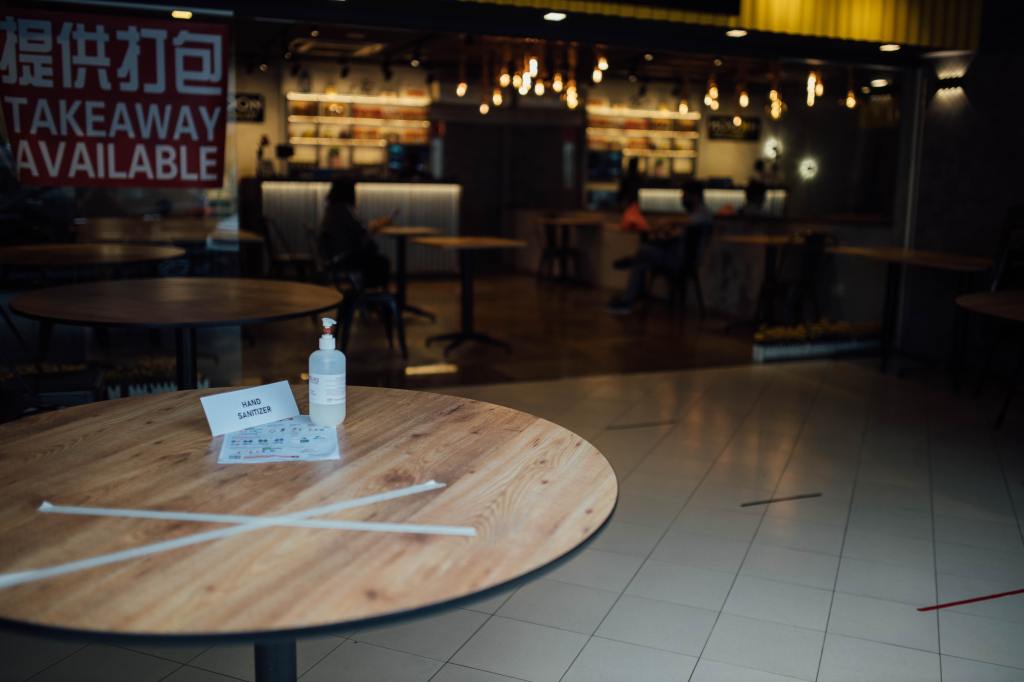
There is currently no vaccine to prevent 2019-nCoV infection. The best way to prevent infection is to avoid being exposed to this virus. However, as a reminder, CDC always recommends everyday preventive actions to help prevent the spread of respiratory viruses, including:
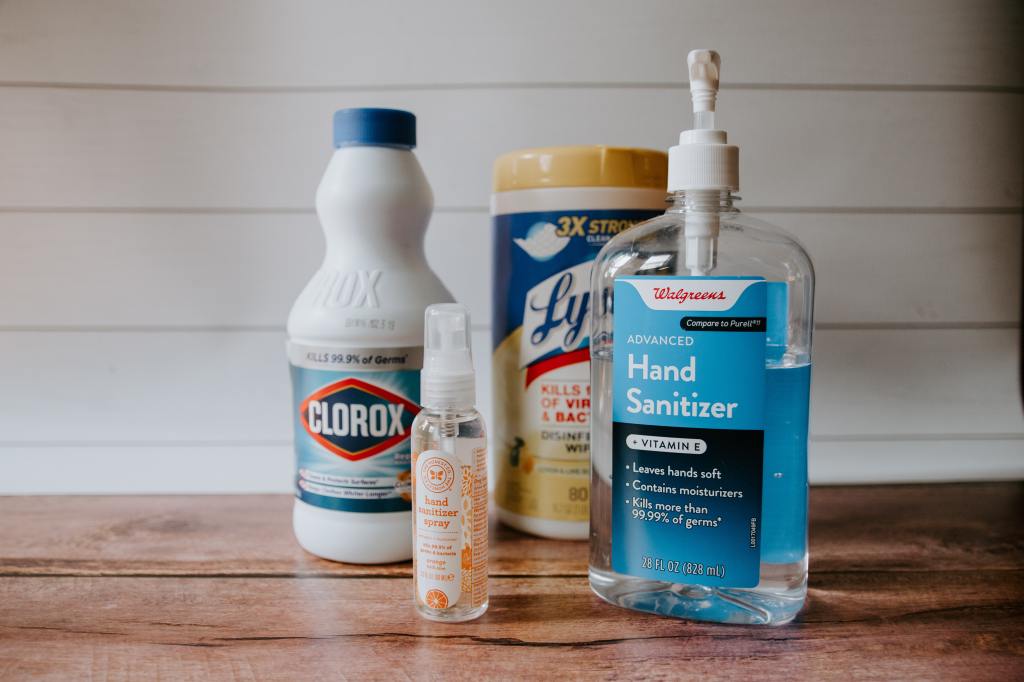
So What Can You Do?
- Avoid close contact with people who are sick.
- Avoid touching your eyes, nose, and mouth with unwashed hands.
- Stay home when you are sick.
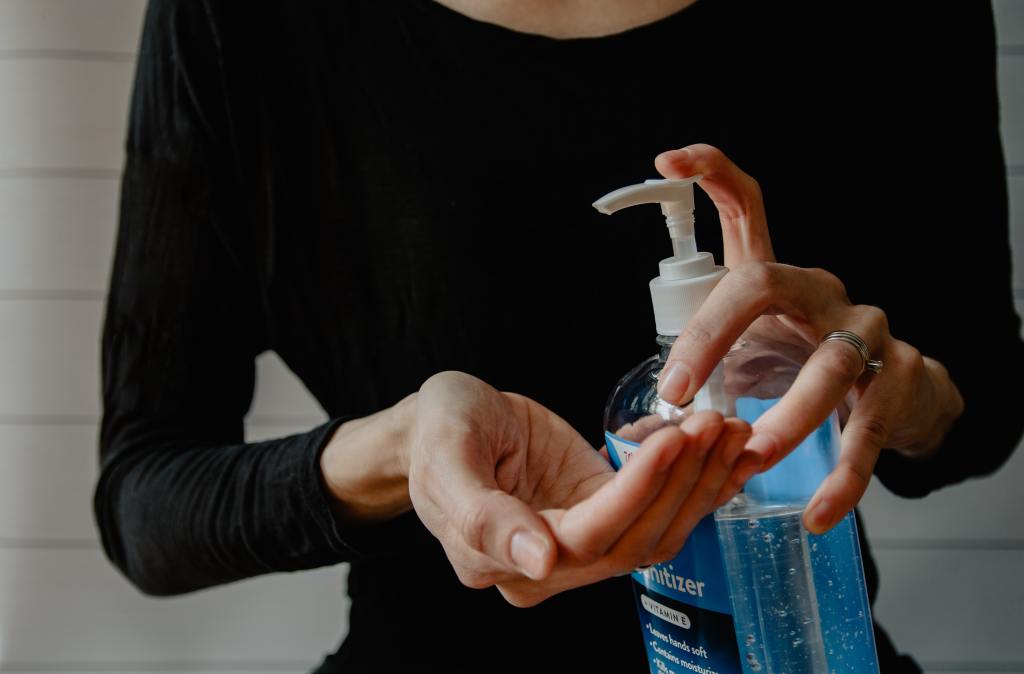
- Cover your cough or sneeze with a tissue, then throw the tissue in the trash.
- Clean and disinfect frequently touched objects and surfaces using a regular household cleaning spray or wipe.
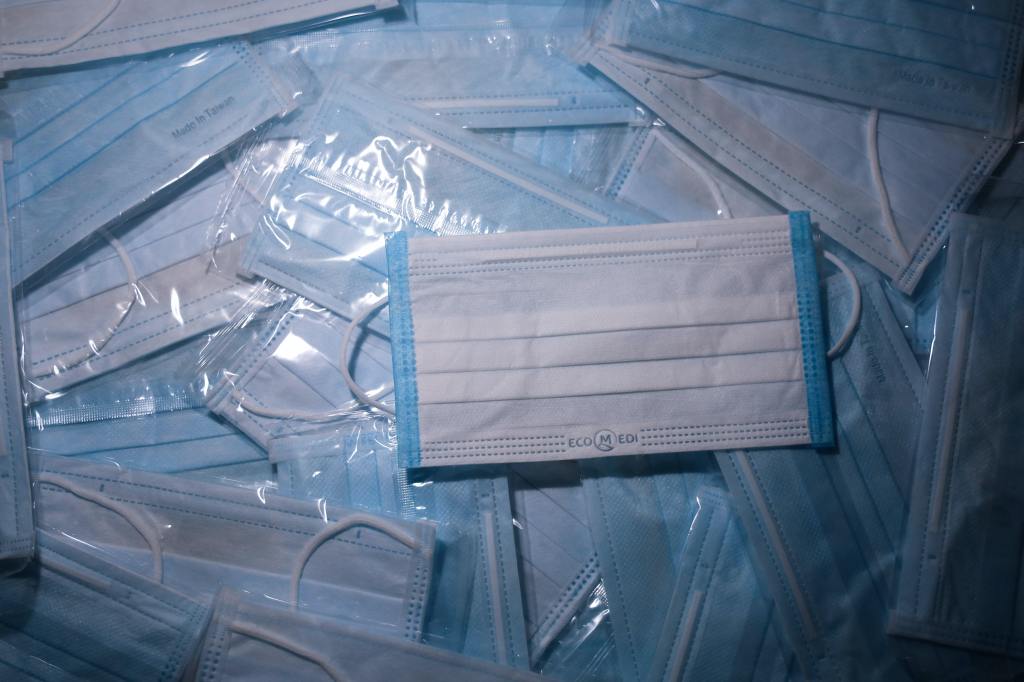
- Follow CDC’s recommendations for using facemask.
How It Spreads
Much is unknown about how 2019-nCoV, a new coronavirus, spreads. Current knowledge is largely based on what is known about similar coronaviruses. Coronaviruses are a large family of viruses that are common in many different species of animals, including camels, cattle, cats, and bats. Rarely, animal coronaviruses can infect people and then spread between people such as with MERS, SARS, and now with 2019-nCoV.
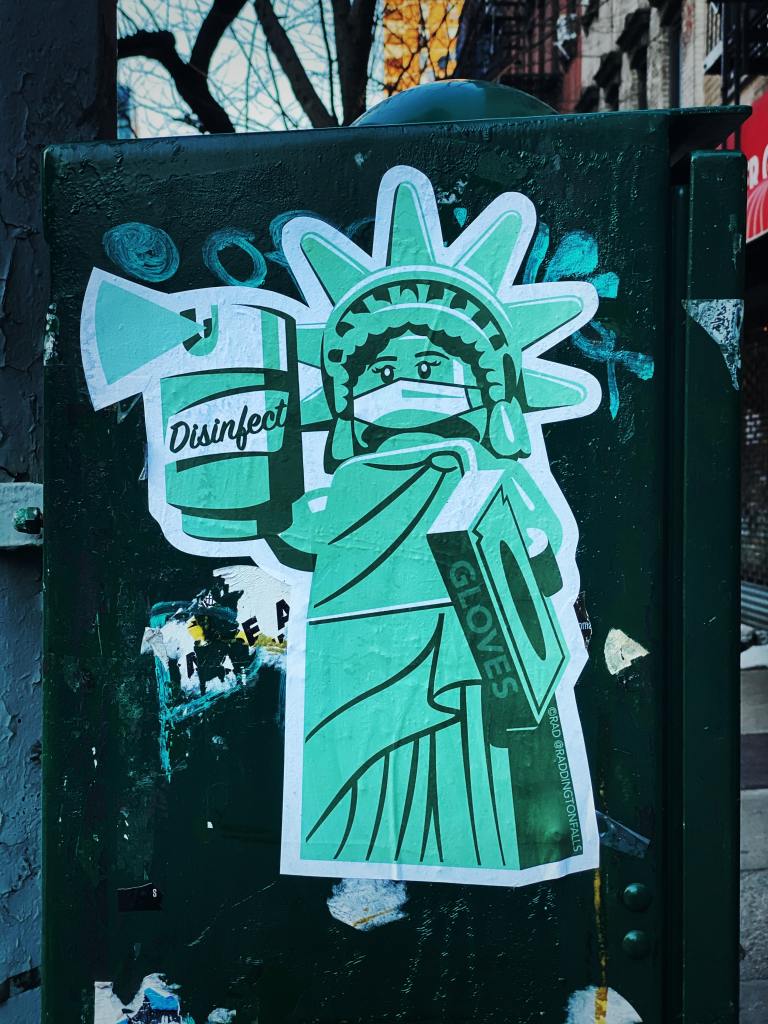
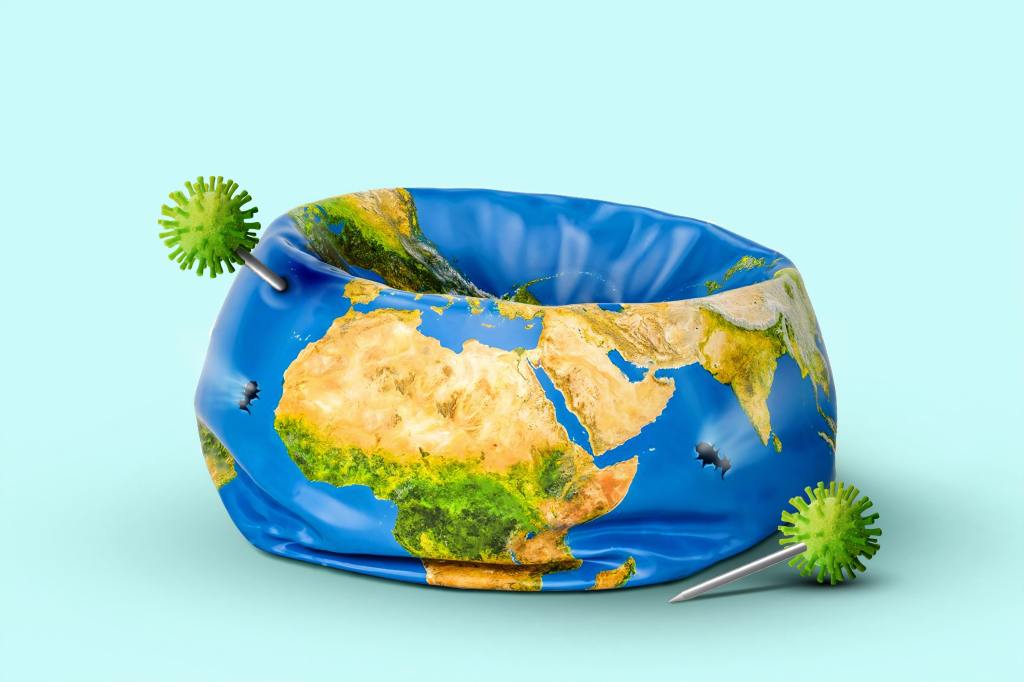
Most often, spread from person-to-person happens among close contacts (about 6 feet). Person-to-person spread is thought to occur mainly via respiratory droplets produced when an infected person coughs or sneezes, similar to how influenza and other respiratory pathogens spread. These droplets can land in the mouths or noses of people who are nearby or possibly be inhaled into the lungs. It’s currently unclear if a person can get 2019-nCoV by touching a surface or object that has the virus on it and then touching their own mouth, nose, or possibly their eyes.
Science of Virus
Coronavirus origins: genome analysis suggests two viruses may have combined
- Scientists have been trying to understand the origin of COVID-19 and the virus that causes it: SARS-CoV-2.
- Originally, scientists believed the virus may have developed in bats, and later pangolins.
- However, genomic comparisons suggest that the SARS-Cov-2 virus is the result of a recombination between two different viruses, meaning the exact origin of the virus is still unclear.
In December 2019, 27 of the first 41 people hospitalised (66%) passed through a market located in the heart of Wuhan city in Hubei province. But, according to a study conducted at Wuhan Hospital, the very first human case identified did not frequent this market. Instead, a molecular dating estimate based on the SARS-CoV-2 genomic sequences indicates an origin in November. This raises questions about the link between this COVID-19 epidemic and wildlife.

On February 7, 2020, we learned that a virus even closer to SARS-CoV-2 had been discovered in pangolin. With 99% of genomic concordance reported, this suggested a more likely reservoir than bats. However, a recent study under review shows that the genome of the coronavirus isolated from the Malaysian pangolin (Manis javanica) is less similar to SARS-Cov-2, with only 90% of genomic concordance. This would indicate that the virus isolated in the pangolin is not responsible for the COVID-19 epidemic currently raging.
Two questions remain unanswered: in which organism did this recombination occur? (a bat, a pangolin or another species?) And above all, under what conditions did this recombination take place?
How it affects our body
A virus infects your body by entering healthy cells. There, the invader makes copies of itself and multiplies throughout your body.
The new coronavirus latches its spiky surface proteins to receptors on healthy cells, especially those in your lungs.
Specifically, the viral proteins bust into cells through ACE2 receptors. Once inside, the coronavirus hijacks healthy cells and takes command. Eventually, it kills some of the healthy cells.

The limited evidence on long-term effects of Covid-19
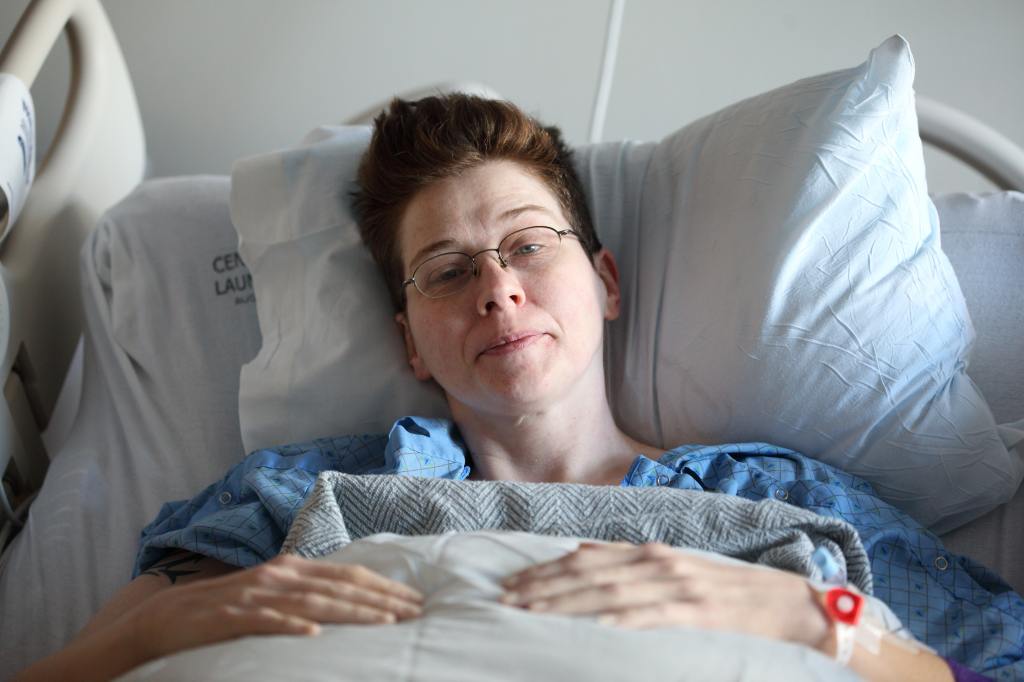
The new coronavirus and the disease it causes are still just months old, meaning researchers have not been able to study the disease’s long-term effects on people.
In fact, Parshley reports, researchers are still working to understand the disease’s short-term effects and treatment. Currently, it’s estimated as few as 5% and as many as 80% of Covid-19-positive patients are asymptomatic or have mild cases of the illness that take days or weeks for symptoms to emerge—and many have no symptoms after two weeks, Parshley reports. A smaller percentage of patients have severe cases of Covid-19, which the World Health Organization estimates can take three to six weeks to fully recover from.
But Joseph Brennan, a cardiologist at the Yale School of Medicine, and other experts now worry there may be a subset of patients who suffer long-term damage. For instance, Parshley reports, preliminary research on other coronaviruses, such as severe acute respiratory syndrome (SARS) and Middle East respiratory syndrome (MERS), suggest some people can take years to recover.
Parshley rounds up the most notable potential long-term health effects that doctors are observing in Covid-19 patients.
Blood clotting, stroke, and embolisms
Physicians report that patients hospitalized for Covid-19 are experiencing high rates of blood clots that can cause strokes, heart attacks, lung blockages, and other complications, Parshley reports.
For instance, physicians are seeing an uptick in strokes among young patients with Covid-19.
The blood clots also can travel to other organs, leading to ongoing health problems. For instance, pulmonary embolisms, which occur when the clots block circulation to the lungs, can cause ongoing “functional limitations,” like fatigue, shortness of breath, heart palpitations, and discomfort when performing physical activity, Parshley reports. Similarly, blood clots in the kidneys can cause renal failure, which can cause life-long complications.
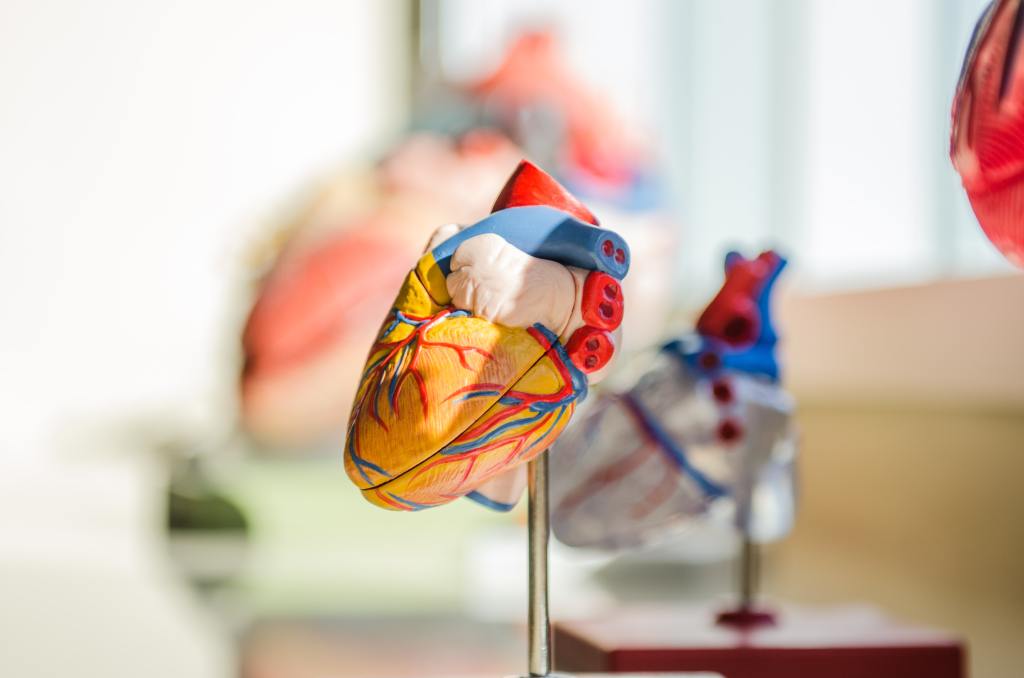
Heart damage
Physicians have also reported an increase in inflammation of and damage to the heart muscle in Covid-19 patients. One study published in March found that out of 416 hospitalized Covid-19 patients, 19% showed signs of heart damage.
Another study from Wuhan published in January found 12% of Covid-19 patients showed signs of cardiovascular damage. Other studies have since found evidence of myocarditis, inflammation of the heart muscle that can cause scarring, and heart failure in Covid-19 patients.
Now, physicians warn that Covid-19 survivors may experience long-lasting cardiac damage and cardiovascular problems, which could increase their risk for heart attack and stroke. Doctors also warn Covid-19 could worsen existing heart problems.
Survey results: How Covid-19 has changed 7,000+ consumers’ care preferences
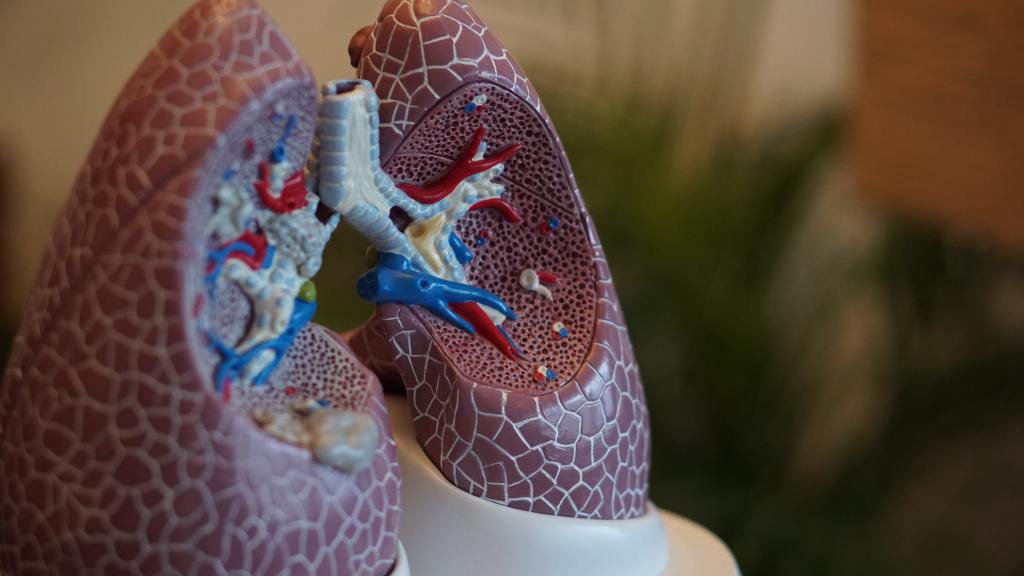
Lung damage
Research shows some patients experience lung symptoms such as pain and a dry cough, weeks after recovering from the virus.
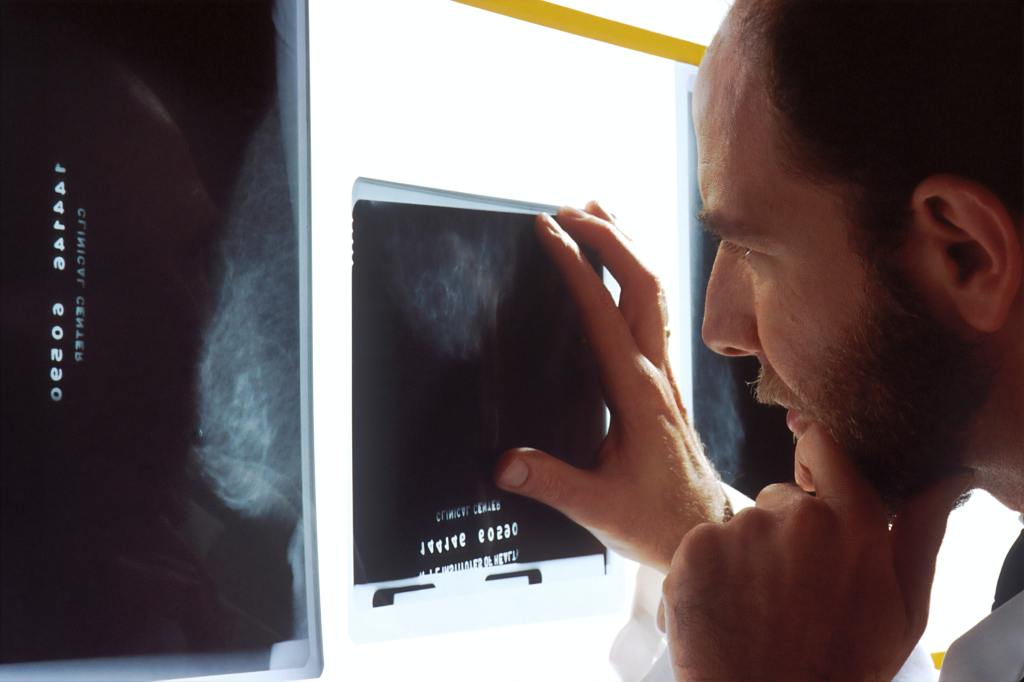
Physicians have also found evidence of scarring in Covid-19 patients’ lungs. According to Parshley, some CT scans show Covid-19 patients have light gray patches on their lungs called “ground-glass opacities,” which don’t always heal. One Chinese study found the patches in 77% of patients, Parshley reports.
Brennan explained that the “virus creates an incredibly aggressive immune response” that causes “spaces [in the lungs to be] filled with debris and pus, making your lungs less pliable.” According to Brennan, this type of lung damage can be permanent and could result in reduced lung capacity. “Routine things, like running up a flight of stairs, would leave these individuals gasping for air,” he said.
While it’s too soon to tell whether the lung damage in Covid-19 patients will be permanent, research shows that about one third of survivors of similar coronaviruses such as SARS and MERS had long-term lung damage.
Ali Gholamrezanezhad, a radiologist at the Keck School of Medicine at the University of Southern California who is currently studying which patients are at higher risk of permanent lung damage, speculates underlying diseases like asthma and hypertension may put patients at greater risk of these long-term effects.
Neurological symptoms
Research shows Covid-19 can also affect the central nervous system after patients showed neurological symptoms like headaches, dizziness, loss of taste and smell, and impaired consciousness. According to researchers, symptoms were most common in patients with severe cases of the disease.
But research surrounding SARS and MERS found neurologic complications of these diseases, including muscular weakness, numbness, and burning or prickling did not occur until about two to three weeks into the course of the diseases. Other more serious complications, such as confusion and comas, were also seen in MERS patients.
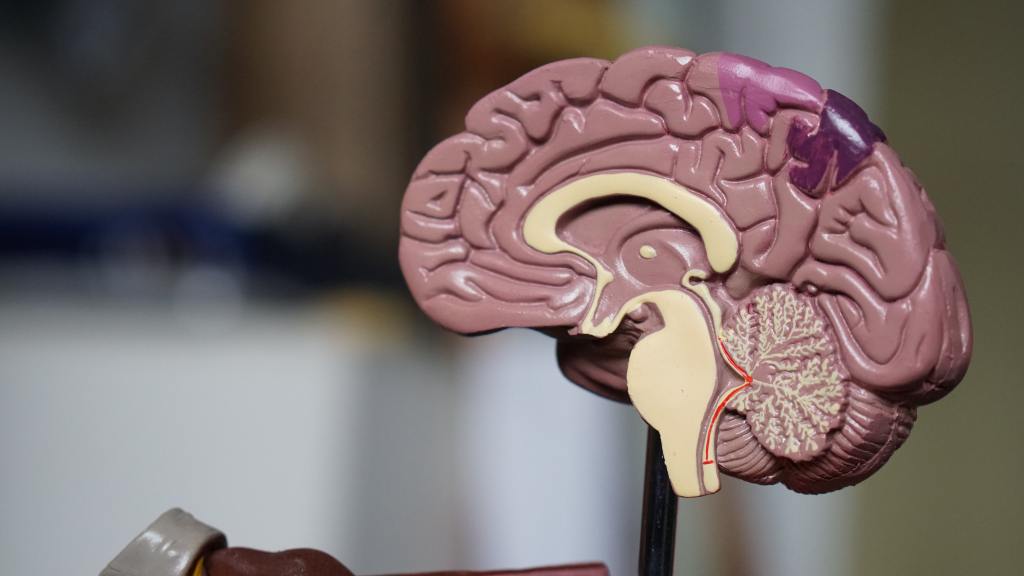
As a result, Mitchell Elkind, president-elect of the American Heart Association and professor of neurology and epidemiology at Columbia University, said doctors should be “on the lookout for long-term neurocognitive problems,” including decreased concentration and memory as well as dysfunction of the peripheral nerves that lead to the “arms, legs, fingers, and toes.”
What this means for patients
Physicians and public health experts say more research—and time—is needed to understand the long-term effects of Covid-19 and the complications patients might encounter down the line and whether they have a chance of recovery.
“It is a true roller coaster of symptoms and severities, with each new day offering many unknowns,” said Lauren Nichols, a Covid-19 survivor who experienced symptoms for eight weeks. “I may feel healthier one day but may feel utterly debilitated and in pain the next” (Parshley, Vox, 5/8).
How Does Coronavirus Move Through Your Body?
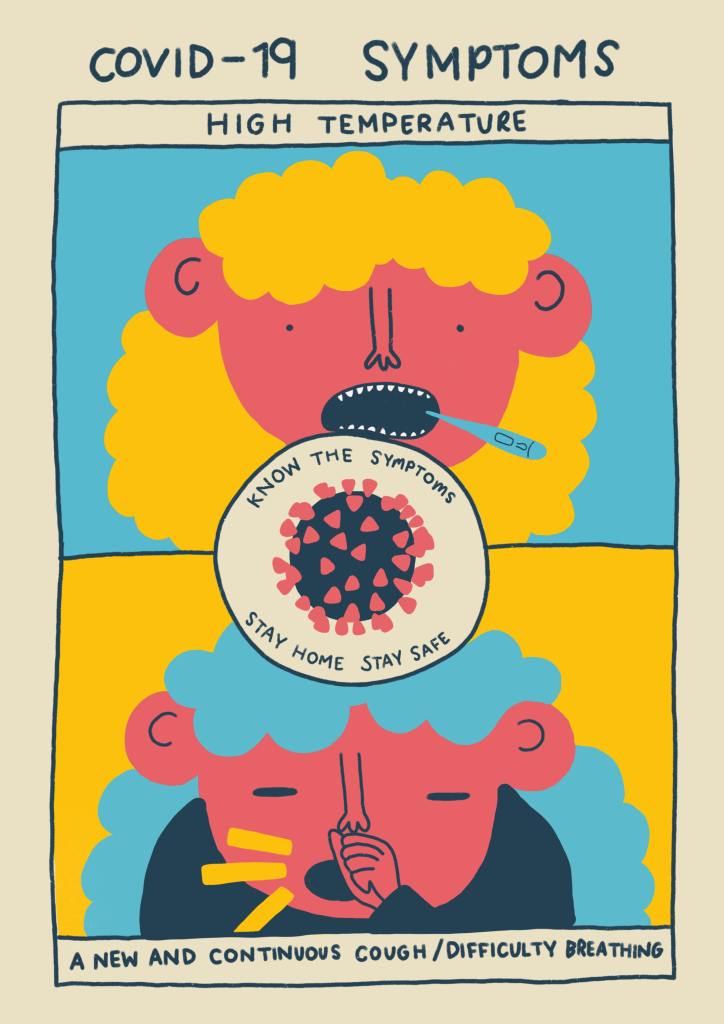
COVID-19, the illness caused by the coronavirus, starts with droplets from an infected person’s cough, sneeze, or breath. They could be in the air or on a surface that you touch before touching your eyes, nose, or mouth. That gives the virus a passage to the mucous membranes in your throat. Within 2 to 14 days, your immune system may respond with symptoms including:
- Fever
- A cough
- Shortness of breath
- Trouble breathing
- Fatigue
etc.
The virus moves down your respiratory tract. That’s the airway that includes your mouth, nose, throat, and lungs. Your lower airways have more ACE2 receptors than the rest of your respiratory tract. So COVID-19 is more likely to go deeper than viruses like the common cold.
Your lungs might become inflamed, making it tough for you to breathe. This can lead to pneumonia, an infection of the tiny air sacs (called alveoli) inside your lungs where your blood exchanges oxygen and carbon dioxide.
https://www.webmd.com/lung/coronavirus-covid-19-affects-body#1
Why does SARS-CoV-2 spread so easily?
Specifically, a few genetic studies have investigated the microscopic structure of the virus, a key protein on its surface, and a receptor in human cells that may, collectively, explain why the virus can attack and spread so easily.
Spike proteins are what coronaviruses use to bind to the membrane of the human cells that they infect. The binding process is activated by certain cell enzymes.
SARS-CoV-2, however, has a specific structure that allows it to bind “at least 10 times more tightly than the corresponding spike protein of [SARS-CoV] to their common host cell receptor.”
Partly, this is due to the fact that the spike protein contains a site that recognizes and becomes activated by an enzyme called furin.
Furin is a host-cell enzyme in various human organs, such as the liver, the lungs, and the small intestines. The fact that this enzyme resides in all of these human tissues means that the virus can potentially attack several organs at once.
SARS-CoV and coronaviruses in the same family do not have the same furin activation site, some studies have shown.
The “furin-like cleavage site” recently discovered in SARS-CoV-2 spike proteins may explain the viral life cycle and pathogenicity of the virus, say researchers.
Researchers have drawn parallels between SARS-CoV-2 and the avian influenza viruses, noting that a protein called haemagglutinin in influenza is the equivalent of the SARS-CoV-2 spike protein and that furin activation sites may make these viruses so highly pathogenic.
What type of virus is this new virus
Coronaviruses are a type of virus. There are many different kinds, and some cause disease. A newly identified coronavirus, SARS-CoV-2, has caused a worldwide pandemic of respiratory illness, called COVID-19.
How is COVID-19 diagnosed?

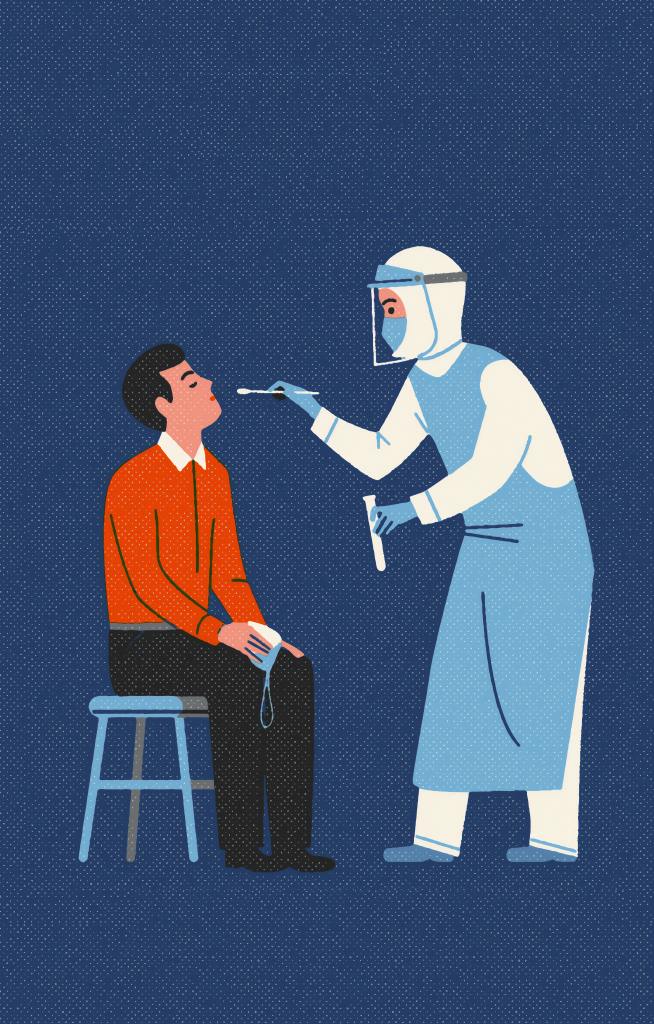
Diagnosis may be difficult with only a physical exam because mild cases of COVID-19 may appear similar to the flu or a bad cold. A laboratory test can confirm the diagnosis. Learn more about COVID-19 testing.
How is COVID-19 treated?
As of now, there is not a specific treatment for the virus. People who become sick from COVID-19 should be treated with supportive measures: those that relieve symptoms. For severe cases, there may be additional options for treatment, including research drugs and therapeutics.
https://www.hopkinsmedicine.org/health/conditions-and-diseases/coronavirus
Vaccination
How long to get a vaccine
The world over recorded one of the biggest spikes in COVID-19 cases on June 23 and newer infections are being observed in clusters across India as well. Till date, there has been no established cure or vaccine available to fight the menacing rise in infections, which has killed thousands. However, as per WHO, there are over 110 groups in contention to develop a preventive vaccine right now. Developments are happening at warp-speed and many among these, such as Moderna, Oxford-Astrazeneca and Sinovac are going to start stage-III of clinical trials.

Even though these speedy developments seem like a piece of good news and gives us hope that we may be able to see the end of the pandemic in the near future, experts aren’t really sure if the first vaccine we see will be able to defeat COVID-19. From the costing, production, safety and efficacy, there are a lot of factors into play which decide how helpful a vaccine under development really is. More than that, vaccines, on general, take a lot of time to develop, passing through large-scale clinical trials, meeting safety standards and getting neccessary approvals before being pushed out for public use. In the past, the fastest rollout of an approved vaccine, the mumps vaccine, took close to 4 years to get all neccessary permissions and licensing.
These 23 companies are working on coronavirus treatments or vaccines
A mix of legacy drug makers and small startups have stepped forward with plans to develop vaccines or treatments that target the infection caused by the novel coronavirus.
List of companies:
Amgen and Adaptive Biotechnologies
Altimmune
BioNTech and Pfizer
CytoDyn
Gilead Sciences
GlaxoSmithKline
Heat Biologics
Inovio Pharmaceuticals
Johnson & Johnson
Moderna
Novavax
Regeneron Pharmaceuticals and Sanofi
Roche
Takeda Pharmaceutical
Vaxart
Vir Biotechnology
are they doing human trials
13 COVID-19 Vaccines Are in Human Clinical Trials – What Are They?
The world is now several months into the COVID-19 global pandemic caused by the SARS-CoV-2 virus. As lockdown restrictions slowly begin to lift in certain regions, the pursuit for a safe and effective vaccine against the virus continues – and more research groups are joining the efforts.
“Over the course of 2020, the COVID-19 pandemic has caused an unprecedented global crisis, resulting in a devastating death toll and threatening our economic order and societal structures. So long as the virus is circulating somewhere, it remains a threat everywhere – no nation can end the pandemic by itself.” – Dr Richard Hatchett, CEO of CEPI, in a press release.
The World Health Organization recognizes that, as of June 22, there are over 140 vaccines in various stages of development. Some are being fast-tracked by regulatory authorities, whilst others remain at the very early stages of pre-clinical testing.
1. ChAdOx1 nCov-19
2. mRNA-1273
3. Adenovirus Type 5 Vector (Ad5-nCoV)
4. CoronaVac
5. NVX-CoV2373
6. BNT162 vaccine program
7. INO-4800
8. LNP-nCoVsaRNA
9. Gam-COVID-Vac Lyo
10. CureVac’s mRNA platform
11. Inactivated SARS-CoV-2 Vaccine
12 & 13. Inactivated Novel Coronavirus Pneumonia vaccine
India’s Efforts

Bharat Biotech International Ltd and Zydus Cadila have got an approval from the Drugs Controller General of India (DCGI) for human clinical trials for their indigenously developed vaccine candidates against Sars-Cov-2, the virus which causes the coronavirus disease.
The drug regulator’s approval for Zydus’ ZyCoV-D comes days after Bharat Biotech got a similar nod for human trials for its vaccine candidate as the coronavirus infections continue to surge in the world’s fourth worst-hit country.
Bharat Biotech is among seven Indian firms working on Covid-19 vaccines. It was the first to get the regulatory nod to begin phase 1 and phase 2 human trials.
Fake News
“Fake and malicious messages spread on social media about possibly mid-April emergency declarations and Indian Army, Veterans, NCC and NSS jobs to assist civil administration. It is explained that this is completely fake, “
tweeted the Army’s Additional Public Information Directorate-General.
The government has also debunked gossip about plans to extend the ongoing 21-day lockdown period, announced on March 24 by Prime Minister Narendra Modi to tackle the coronavirus crisis.
Cabinet Secretary Rajiv Gauba’s clarification came after hundreds of thousands of migrant labourers undertook long journeys to their homes from major urban centers on foot in the last five days, reflecting their struggle for survival due to job losses following the lockdown.
The government’s Press Information Bureau said in a tweet: “There are rumors and media stories, stating that when it expires, the government will prolong the# Lockdown21. The Secretary of the Cabinet denied these reports, saying theywere baseless. “PIB’s Twitter Fact Check handle also asked people to ‘be careful about fake account details circulating under the pretext of the PM CARES Fund.’
On Sunday, the cybercrime unit of Delhi police detected a fake Unified Payments Interface (UPI) ID produced with a motive to cheat donors from the newly established PM CARES Fund to combat the outbreak of coronavirus.
Anyesh Roy, DCP (cybercrime) said in a tweet that it created the fake UPI with the pmcare@sbi ID, which is similar to the correct pmcares@sbi ID.
India’s State Bank was also briefed on the fake ID, and it was blocked by the bank, a police official said. The matter is being investigated and attempts are under way to locate the suspects, he said.

Another ‘fake news’ debunked by the authorities included a message that the Home Ministry has decided to make it a punishable offense if anyone posts on social media anything related to coronavirus.
There are also a number of other such misinformation circulating including information about the treatment with COVID-19 and ways to avoid getting infected with the deadly coronavirus.
“There is no scientific evidence proving that # Coronavirus is killed by inhaling hot water vapour. Respiratory hygiene, social distancing and hand washing areeffective measures to prevent Covid19.
“Let’s spread the facts, not fear and contribute to # IndiaFightsCoronavirus”, tweeted PIB Fact Check. Boom FactCheck tweeted, among private factcheckers, that a “misleading” infographic was shared thousands of times in multiple Facebook posts with a nine-day timeline of the novel coronavirus symptoms.
It also debunked another “fake” message claiming that several areas in Mumbai, including Mohammed Ali Road, were blacklisted and placed under Army control. Another misleading message claimed a state government in India had suggested that bitter gourd juice, a vegetable that is often used in traditional medicine, be an effective treatment for the novel coronavirus. This one was found to be incorrect too.
On social media, several people, including some senior journalists, fell prey to an old Jakarata prank video that went viral after being presented as Goa and as a “innovative way to keep people indoors.”
Factchecker SM Hoax Slayer said, “A video from Prank is viral, tweeted by a few media houses and reporters claim to be recent and from Goa. It shows a man wearing a ghost-looking suit suddenly jumping in front of a motorcycle on a bridge because of which the rider gets scared, turns around and leaves and the pillion rider climbs the bridge followed by the prankster. The factchecking website found the prank video was not from Goa at all, nor was it related to the lockdown or coronavirus outbreak.
From May 2019, the video was found to be nearly a year old, and originated in Jakarta, Indonesia. Some people and organizations tweeted a correction after being corrected by SMHoaxSlayer in response to their mistaken tweet, while few others deleted the original tweet.

AltNews debunked a viral audio clip, posed as a conversation between two men, one of whom stated that the World Health Organization (WHO) had asked India to extend the lockdown from 15 April to 15 June.
AltNews said its enquiry considered the argument to be absolutely bogus.
Interestingly, in February itself, WHO Director-General Tedros Adhanom Ghebreyesus had said, “We are not only fighting an epidemic; we are fighting an infodemic.” Several other countries also face an increased flow of fake coronavirus-related news.

The Indian High Commissioner to the United Kingdom, Ruchi Ghanashyam, also appealed on Sunday to Indian citizens stranded in the country due to the coronavirus pandemic to be careful about fake news about the Air India evacuation flights scheduled for next week.
A few days ago, another viral message had re-surfaced about all calls being recorded and platforms being monitored like WhatsApp, Facebook and Twitter with the start of the lockdown period, but it was found to be fake.
Boom FactCheck found that from as far back as 2017, the viral message has been doing rounds on social media. It also found that the message refers to one ‘Internal Regulation Ministry’ which is not exiting in India, Police have also begun to take action in such cases in different parts of the country.

A woman was arrested in Kolkata on Monday for allegedly sharing fake information on WhatsApp concerning COVID-19. In her article, she had apparently reported that 15 people tested positive for novel coronavirus in the city’s New Alipore district, and that the state government gave the details.
An officer said the Kolkata Police had kept any eye on social media to prevent fake news from circulating.
A journalist has been booked in Himachal Pradesh for allegedly spreading fake news about bus plying amid the lockdown.
A 30-year old man was arrested on Sunday at Gwalior in Madhya Pradesh for uploading a fake and alarmist Facebook post on behalf of Chief Minister Shivraj Singh Chouhan in connection with the lockdown, police say.
Similar arrests were made in Mizoram as well as in some other parts of the country, while the cyber unit of Maharashtra Police registered 36 FIRs across the state against those spreading false news about coronavirus on social media.
Face masks
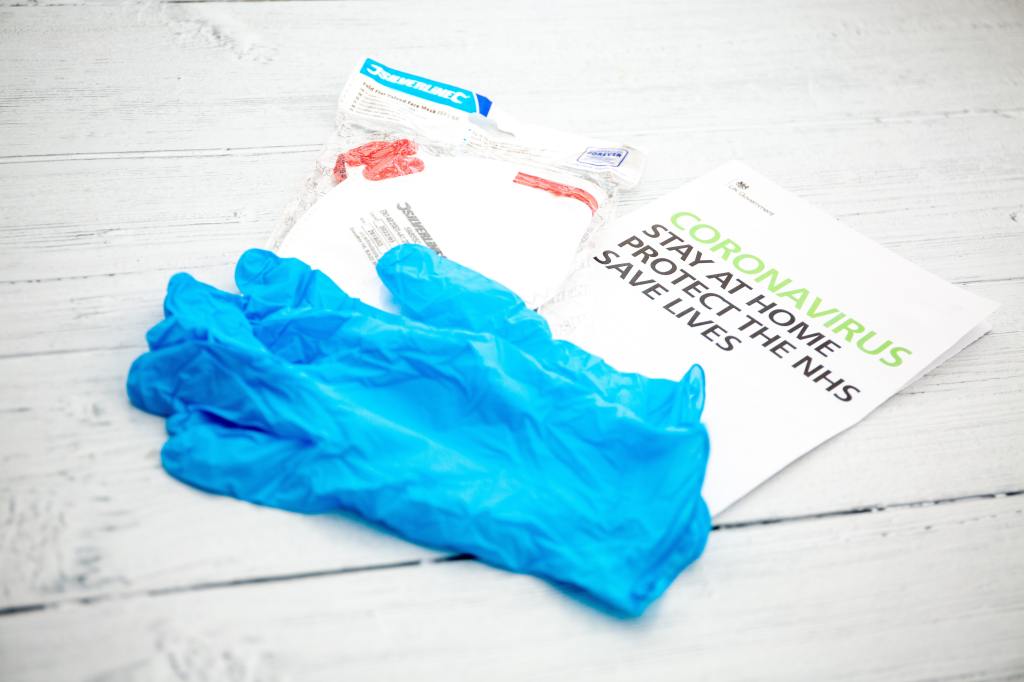
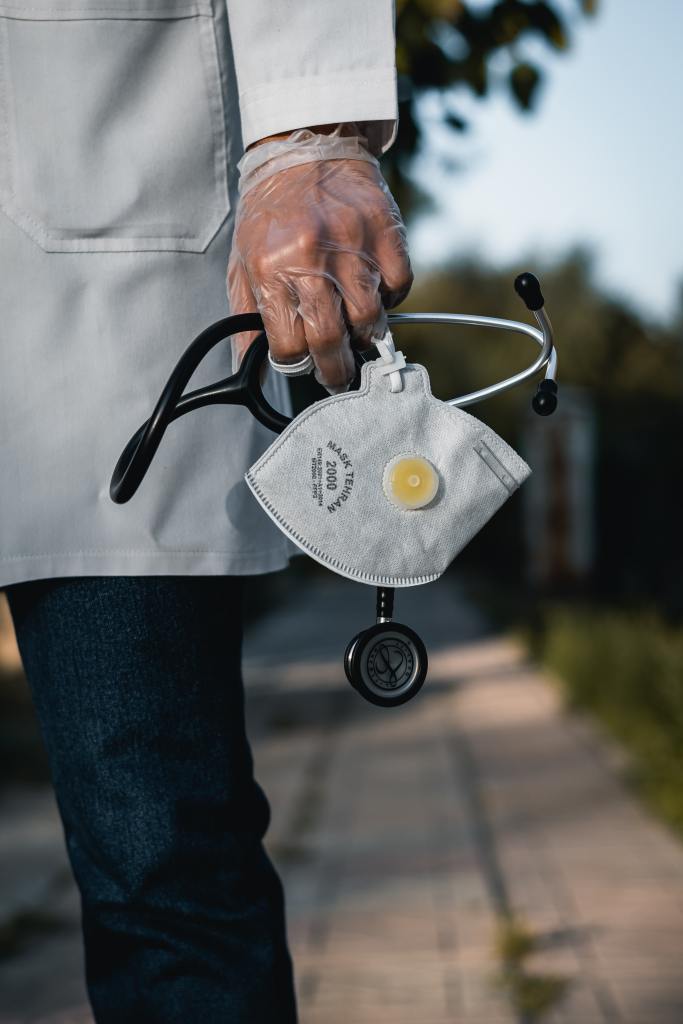
The CDC recommends that all people wear cloth face masks in public places where it is difficult to maintain a 6-foot (2-meter) distance from others. This will help slow the spread of the virus from asymptomatic people and people who do not know that they have contracted it. People should wear cloth face masks while continuing to practice physical distancing.
Transmission Possibilities

Social distancing and face masks all appear to reduce the spread of COVID-19, in both health care settings and the general community, according to a new review commissioned by the World Health Organization (WHO).
The review found that keeping a distance of at least 3 feet (1 meter) from other people lowered the chances of coronavirus infection or spread by 82%, and keeping a distance of 6 feet (2 m) could be even more effective.
Wearing face masks and cloth face coverings was also linked with COVID-19 protection for the general public.
Traditional Prevention Methods
Traditional prevention methods in different countries
Coronavirus: Herbal remedies in India and other claims fact-checked
Indian Prime Minister Narendra Modi’s strategy against the coronavirus includes advising citizens to use traditional herbs. Mr Modi has said people should follow official guidance to use a particular herbal combination known as “kadha” which will “increase immunity.”
The immune response is what the body does when it fights off a virus but there is no evidence that it can be boosted in this way, say medical experts.
“The problem is that many of these claims (about certain supplements boosting immunity) have no grounding in evidence,” says Akiko Iwasaki, an immunologist at Yale University.
India’s Ministry of Ayurveda, Yoga & Naturopathy, Unani, Siddha and Homoeopathy (AYUSH) promotes traditional healing therapies and lists various practices for boosting the immune system.
Many of these remedies have been promoted by the ministry to specifically ward off the coronavirus.
There is however no scientific evidence that they are effective.
The Indian government’s own fact-checking service has already debunked similar health claims, such as around drinking warm water – or gargling with vinegar or salt solutions.
Below, we take a look at one these traditional remedies, the drinking of tea, and how a fake claim originating in China, has been picked up and spread elsewhere, including India.
https://www.bbc.com/news/world-asia-india-51910099
Covid-19: China pushes traditional remedies amid outbreak
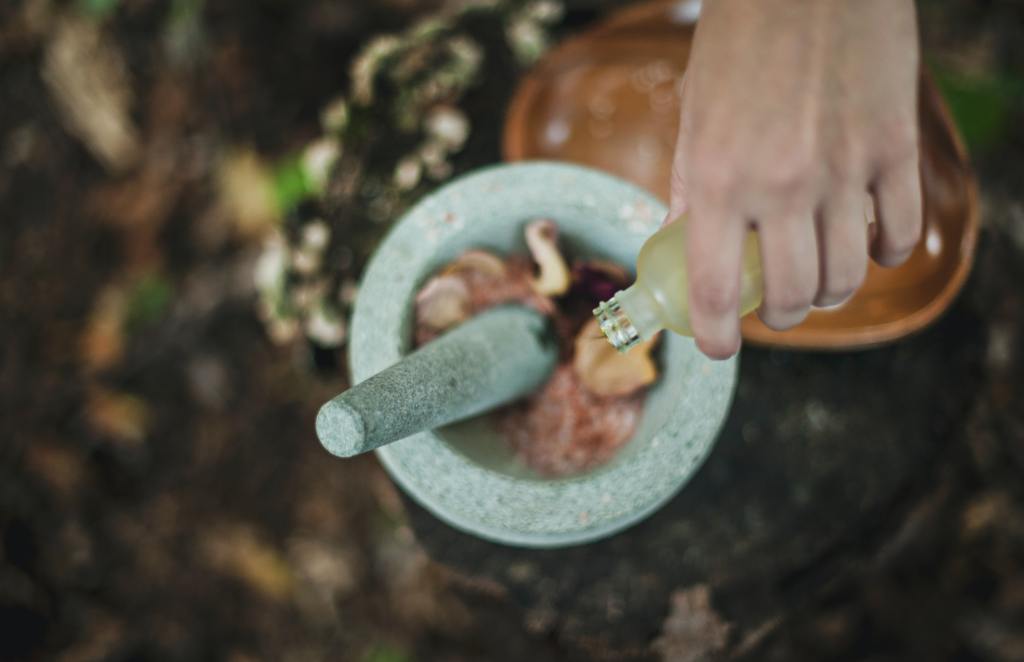
As scientists race to develop a vaccine for Covid-19, Beijing has been championing traditional Chinese medicine (TCM) as a way to treat the disease.
A recent white paper released by the Chinese government claimed that 92% of the country’s Covid-19 cases were treated in some way with it.
TCM is one of the world’s oldest forms of medical practice and includes a range of treatments from herbal concoctions to acupuncture to Tai Chi.
It is hugely popular in China across the generations, although occasionally fierce debates erupt online about its use.
China’s National Health Commission has a special TCM chapter in its coronavirus guidelines, while state media have been highlighting its alleged role in past outbreaks such as Sars in 2003.
Six traditional remedies have been advertised as Covid-19 treatments, the two prominent ones being Lianhua Qingwen – containing 13 herbs such as forsythia suspense and rhodiola rose – and Jinhua Qinggan – which was developed during the 2009 H1N1 outbreak and is made of 12 components including honeysuckle, mint and liquorice.
TCM’s supporters argue that there is no downside to using them but experts say rigorous scientific tests are needed before such formulas are deemed safe.
The US National Institutes of Health said that while it may help with symptom relief, its overall effectiveness against the coronavirus is inconclusive.
“For TCM there is no good evidence and therefore its use is not just unjustified, but dangerous,” Edzard Ernst, a retired UK-based researcher of complementary medicines, was quoted as saying in Nature journal recently.
https://www.bbc.com/news/world-asia-53094603

The Republic of Madagascar is offering its Covid-Organics, a herbal concoction touted as a ‘cure’ for coronavirus infection, to Nigeria and other African countries amid the global pandemic.
The Republic of Madagascar is offering its Covid-Organics, a herbal concoction touted as a ‘cure’ for coronavirus infection, to Nigeria and other African countries amid the global pandemic despite warnings from experts. According to reports, many African nations such as Tanzania have already received thousands of doses of the herbal medicine free of charge.
However, the World Health Organization (WHO) has warned against the use of Covid-Organics as the efficacy of the herbal product is unproven. Scientists have also warned that the herbal therapy could fuel drug-resistant malaria.
What exactly is Covid-Organics?
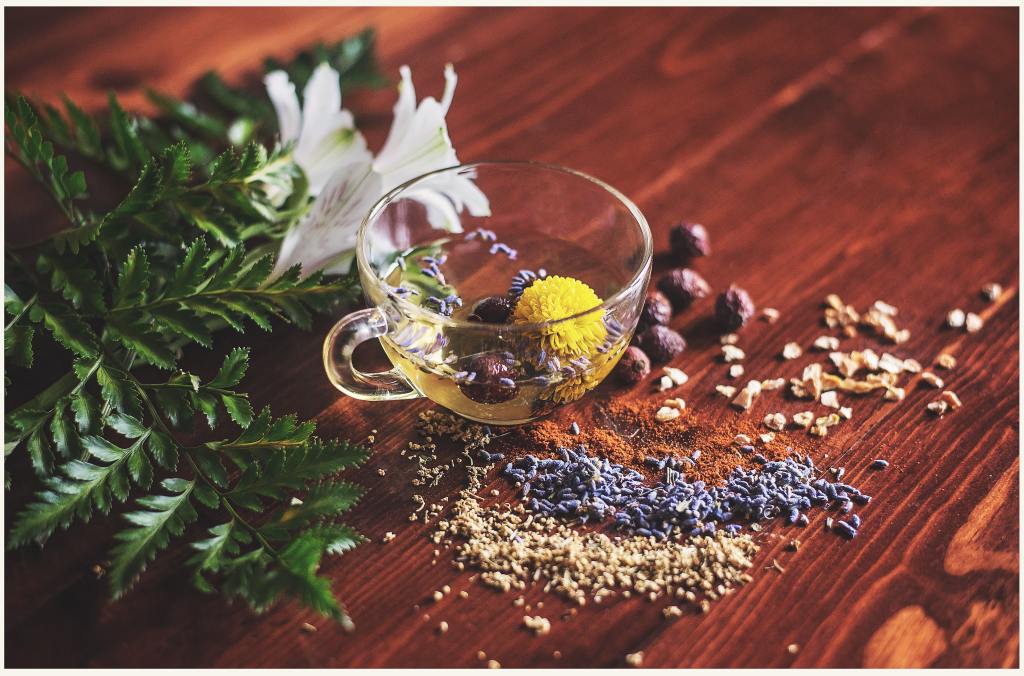
Covid-Organics is a herbal drink developed by the Malagasy Institute of Applied Research (IMRA) for the prevention and cure of COVID-19, which has no specific treatment at the moment. Reportedly, the herbal tonic uses sweet wormwood (Artemisia annua), a plant of Asian origin that gave rise to the anti-malarial drug artemisinin, as its main ingredient. The IMRA has not reported any data on the drug’s efficacy against COVID-19 or side effects.
What experts say about Covid-Organics
The WHO has warned against using any product that has not been tested for its efficacy and safety. According to the UN health agency, while isolated compounds extracted from artemisia are effective in malaria drugs, the plant itself cannot be used to treat malaria. Moreover, the Africa Centres for Disease Control and Prevention also cautioned that the herbal drink should be ‘tested rigorously’.
“It is a drug whose scientific evidence has not yet been established, and which risks damaging the health of the population, in particular, that of children,” the National Academy of Medicine of Madagascar cautioned in a statement last month, reported Science Magazine.
What worries health experts is that touting a product that has not been tested against COVID-19 might make people feel safe without proof, making them to engage in risky behaviours.
Despite warnings from WHO, it is reported that several African countries are keen to obtain the product. Meanwhile, South Africa has offered to conduct a scientific analysis of the Covid-Organics against coronavirus disease, which has claimed at least 280,693 lives so far and infected some 4,070,660 people in 195 countries and territories.
WHO supports scientifically-proven traditional medicine
The World Health Organization (WHO) welcomes innovations around the world including repurposing drugs, traditional medicines and developing new therapies in the search for potential treatments for COVID-19.
WHO recognizes that traditional, complementary and alternative medicine has many benefits and Africa has a long history of traditional medicine and practitioners that play an important role in providing care to populations. Medicinal plants such as Artemisia annua are being considered as possible treatments for COVID-19 and should be tested for efficacy and adverse side effects. Africans deserve to use medicines tested to the same standards as people in the rest of the world. Even if therapies are derived from traditional practice and natural, establishing their efficacy and safety through rigorous clinical trials is critical.
African governments through their Ministers of Health adopted a resolution urging Member States to produce evidence on the safety, efficacy and quality of traditional medicine at the Fiftieth Session of the WHO Regional Committee for Africa in 2000. Countries also agreed to undertake relevant research and require national medicines regulatory agencies to approve medicines in line with international standards, which include the product following a strict research protocol and undergoing tests and clinical trials. These studies normally involve hundreds of people under the monitoring of the national regulatory authorities and may take quite a few months in an expedited process.
WHO is working with research institutions to select traditional medicine products which can be investigated for clinical efficacy and safety for COVID-19 treatment. In addition, the Organization will continue to support countries as they explore the role of traditional health practitioners in prevention, control, and early detection of the virus as well as case referral to health facilities.
https://www.afro.who.int/news/who-supports-scientifically-proven-traditional-medicine
Lifestyle Choices

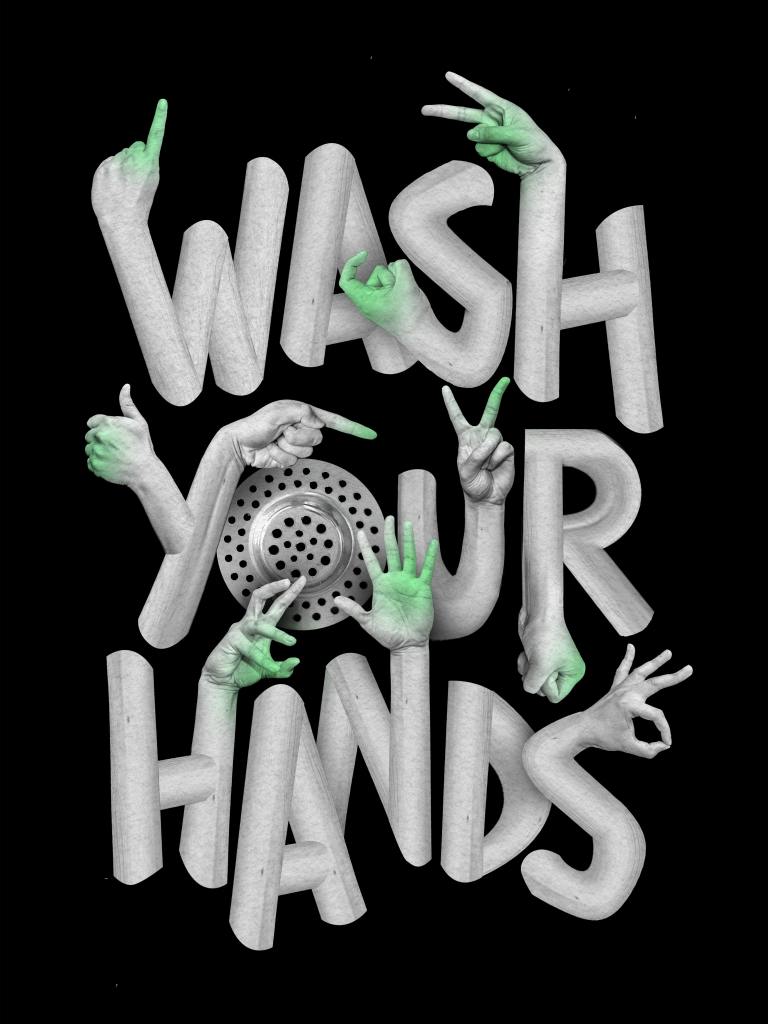
“Taking action is key in restricting the spread of coronavirus, and with more individuals constraining their exposure to crowds, it’s imperative to keep up sound propensities at home, “said Eduardo Sanchez, M.D., M.P.H., FAAFP, American Heart Association’s chief medical officer for anticipation. “Wash your hands frequently and remain at home when you feel wiped out, however don’t dismiss your physical movement and smart dieting propensities. These are the establishment to keeping up and improving your wellbeing.”
WORKOUTS: Select three or four activities you can do at home like bouncing jacks, rushes or running set up. Do each activity in short blasts and rehash the circuit a few times.
HEALTHY MEALS: Canned, solidified and dried foods grown from the ground, solidified meat and dried grains are incredibly useful for a healthy lifestyle and they also have a very long shelf-life.
STRESS: A startling change in condition is stress. Utilize the extra time at home as a chance to make a move against pressure. Take a couple of moments every day to ponder, improve your rest cleanliness for more peaceful rest and call loved ones to remain socially associated.
https://newsroom.heart.org/news/resources-to-maintain-healthy-lifestyle-amidst-covid-19-outbreak
“A sound eating schedule will help lessen danger of illness and improve personal satisfaction,” said IU Health gastroenterologist and corpulence authority, Ashley Cuellar Gilmore, MD. In the midst of the COVID-19 pandemic, it is presently more significant than any other time in recent memory to organize your wellbeing.
It’s critical to make and keep a daily practice during this season of vulnerability, Dr. Naramore said. Being limited to your house is the ideal opportunity to work little changes into your timetable that can improve your wellbeing and prosperity.
Here are some sound objective thoughts you may consider:
- Drinking more water
- Removing sweet beverages from your everyday list
- Going on regular strolls
- Learning to become a helping hand in maintaining your house
https://iuhealth.org/thrive/ideas-for-staying-healthy-during-covid-19

 The Deadly "COVID-19"